
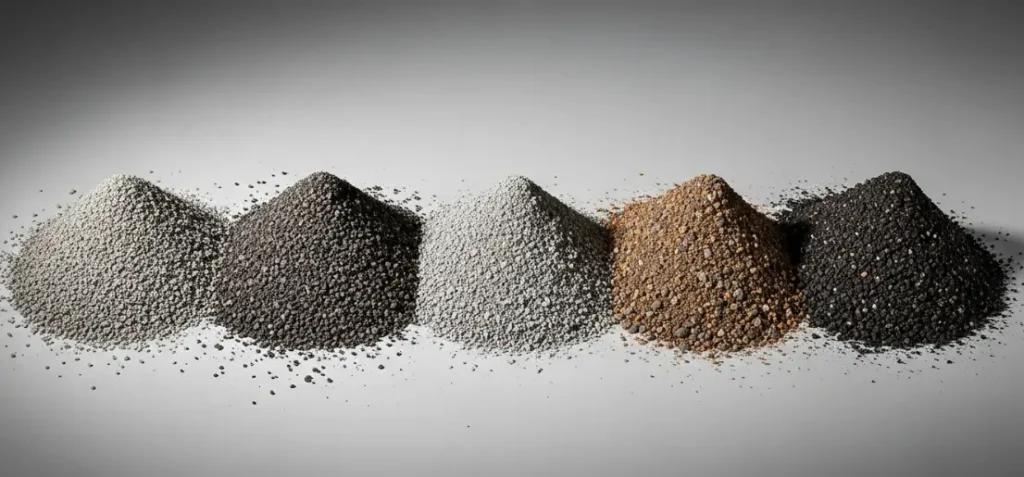
You are putting up a new driveway or remodeling a parking lot and are perhaps having some queries on the kind of materials you can use. There is where a good asphalt paving business comes in and such is the case with us here at Harrington Paving in the USA. The laying of high-quality surfaces has been a decades-old tradition, and it starts with the choice of the asphalt mix.
The number of types is immense, and they have their purpose regarding various work and cost estimation. Five types that we tend to use are found in this article. Take it as a coffee chat about what will be most appropriate to your project.
Hot Mix Asphalt
Most large paving projects prefer the use of hot Asphalt Mix. The asphalt binder and aggregate are melted to a temperature of about 300 degrees (F) and then mixed and laid. Everything fuses together under the heat to form a smooth and hard surface that is able to sustain traffic.
It sets fast and this is one of the reasons why people like it. Most of the time you can drive on it that same day which is not very inconvenient to busy homeowners or businesses. And it is convenient enough to be used in roads, driveways, or even on the runways of airports.
The benefits of Hot Mix Asphalt:
The greatest advantage of the hot Asphalt Mix is its strength. It is able to carry heavy loads without breaking easily, as a result of that hot binding process that puts everything in place. This indicates that it will reduce the number of repairs and result in reduced expenses in the future.
The other advantage is that it has a smooth ride. Bumps and rough patches will not appear unless it is installed properly and hence it is ideal in the busy areas. And ecologically, new hot mixes use recycled materials and thus you are not wasting resources.
Cold Mix Asphalt
Cold Asphalt Mix has a little bit of exception where it does not need heat to be used. We mix the binder and the aggregate at room temperature, typically with emulsified asphalt which cures as it dries in the air. It is perfect at smaller repair work or in locations where you cannot reach heavy equipments.
This material works well on potholes done on the run or fillin’ driveways. You may bag it and pull it out when you need it, saving time and money to the DIYer or quick work. It is not as coarse as hot mix yet it is efficient without all the struggle.
Porous Asphalt
Porous Asphalt Mix can drain water through it and that is not the pace with rainy weather. The mix has bigger gaps between the stones and therefore rain does not collect at the top and it seeps in instead. That minimises the risk of puddles and hydroplays to the drivers.
It will be located in parking lots and driveways that are environmentally friendly most frequently. It refills groundwater, and it reduces the rate of pollution of storm sewers. This is a combination that homeowners concerned about flooding are fond of because it keeps the feet drier.
It can be easily installed, and it needs a sufficient base coat to work. We lay it in layers to ensure that the water is drained evenly.
Warm Mix Asphalt
Warm Asphalt Mix lies between the cold and hot. We heat it to approximately 200 to 250 degrees not hot mix, but rather cold. It is easier to work and propagate at this lower temperature, especially at lower temperatures.
It is becoming popular due to its fuel efficiency in its production. That equates to a reduced number of emissions that will be emitted out of the plant and that is good news to the earth. The surface quite equal to that of hot mix, and good longevity.
Warm mix in warmer climates like South does not produce much energy and does not affect quality. It also allows extended time in the delivery of the plant to the job site.
Dense-Graded Mix
All about tight packing is dense-graded mix. It utilizes different sizes of aggregates to fill spaces and form a super-solid layer with an occurrence of almost no air-spaces. This ensures that it is among the most powerful options when there is heavy traffic.
It will be utilized on highways or commercial parking lots that have a problem with weight. The small size of the grading also ensures that the water does not seep into it and thus erosion is avoided. It works well in the long-run.
It is the disparity in the uniform wear. It is not so fast worn out with tires, and that new look is more durable.
Choosing the Right Mix
The selection of the selected asphalt mix rests on various factors, such as the location and what will be on the surface. In the case of a suburban driveway, hot or warm mix could work. However, when draining is a problem then be porous in order to be water wise.
Budget also comes into play. Cold mix will keep the expenses of spot repair, whereas the dense grade will raise the investment of the long-lasting impacts. Call Harrington paving and we will assess your location to match the mix with your needs.
Advantages of Hot Mix Asphalt
If you’ve ever wondered why so many driveways, parking lots, and roads use hot mix asphalt, there’s a good reason. It’s strong, smooth, and built to last. When you get an asphalt paving service, the quality of the asphalt mix you choose makes a big difference. Out of all the options available, Hot mix asphalt, Cold mix asphalt, Porous asphalt, Warm mix asphalt, and Dense-Graded Mix hot mix stand out for several reasons.
Here are the top 10 advantages of hot mix asphalt:
- Durability
Hot mix asphalt handles heavy traffic and harsh weather better than most materials. It’s built to stay solid for years.
- Smooth Finish
It creates a clean, even surface that’s easy to drive or walk on. Perfect for both roads and parking lots.
- Quick Installation
Contractors can lay and compact it fast. That means less downtime and quicker use of your space.
- Strong Bonding
The high temperature during mixing helps the materials bond tightly, creating a tougher surface that resists cracks. - Weather Resistance
Hot mix asphalt can handle extreme temperatures and doesn’t soften easily in heat or crack in cold. - Easy Maintenance
Small repairs are simple. A quick patch or overlay keeps it looking and performing well. - Cost-Effective
It’s one of the most affordable paving options for large areas, with a long lifespan that saves money over time. - Noise Reduction
The smooth surface helps reduce road noise, making it a popular choice for city roads and residential streets. - Recyclable Material
Old asphalt can be reused to make new pavement, which makes it an environmentally friendly option. - Improved Safety
Hot mix asphalt provides better tire grip and smoother drainage, which helps reduce skidding during rain.
Hot mix asphalt is the top choice for anyone who wants a long-lasting, easy-to-maintain surface. It’s practical, reliable, and tested on millions of miles of roads around the world.
Maintenance Tips
Maintaining your asphalt in its optimal state is as simple as sealing it after a space of a few years. This prevents water and UV rays which otherwise lead to breakdown. In porous types, mild cleaners should be used to ensure that the pores are not clogged.
Catch cracks as soon as possible and pour in cold mix. It keeps the stains and wear off by sweeping leaves and debris off. When dealing with snowy weather, employ sand instead of salt as this keeps away chemical wear.
Periodic checks identify small issues before they grow out of proportions. Some slight maintenance today saves huge headaches in the future. And by challenging ourselves to teach these basics we have prolonged the life of pavements of hundreds of clients.
FAQs
What is hot mix asphalt?
It’s a blend of asphalt and crushed stone heated and mixed to create strong, smooth pavement.
How long does hot mix asphalt last?
It usually lasts 15 to 20 years with proper care.
What is the temperature of cold mix asphalt?
Cold mix asphalt is used at room temperature, without heating.
What does porous asphalt look like?
It looks like regular asphalt but has tiny gaps that let water drain through.
What is dense grade used for?
It’s used for strong, long-lasting roads and highways.
How warm mix asphalt reduces emissions?
It’s made at lower temperatures, which cuts fuel use and air pollution.